




How to Buy from 1688 Outside China: Sourcing Agent, Payment and Shipping Guide

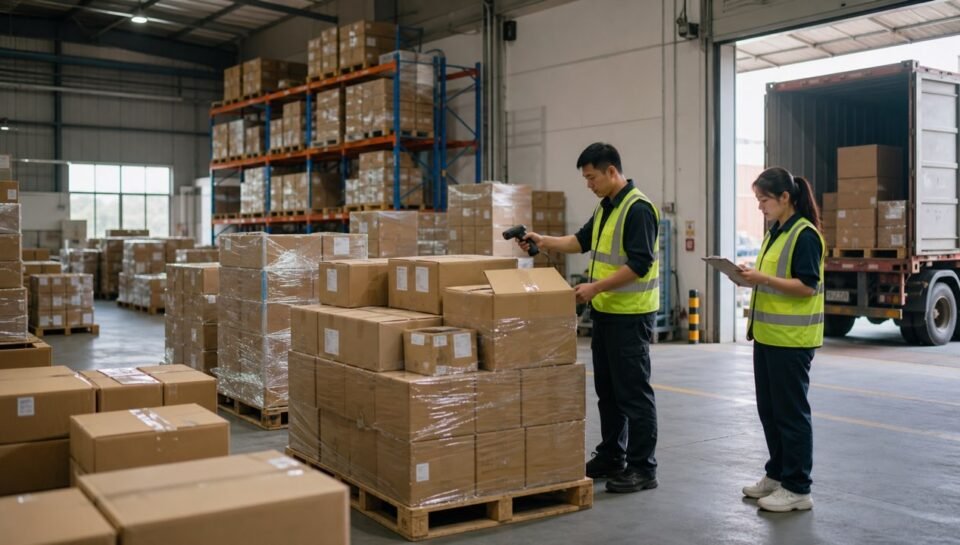
Can you buy from 1688 outside China?
Buying from 1688 outside China involves several separate decisions: finding the right product, confirming the supplier, arranging an eligible payment method and getting the goods from a Chinese address to your destination. A listing price answers only a small part of that process. It may exclude branding, retail packaging, domestic delivery, inspection and international shipping.
Overseas buyers can use a sourcing agent or handle eligible purchases themselves with separate payment and logistics support. The practical choice depends on your account access, supplier communication, product requirements and ability to deal with a problem before the goods leave China. An agent is most useful when the work extends beyond purchasing a link.
This guide focuses on commercial wholesale orders: small commodities, accessories, branded gifts and other products you intend to resell or use in your business. It explains what to agree before payment, which checks to request and how to compare the full order cost.
1688 vs Alibaba: compare the actual order, not the headline price
1688 is a Chinese wholesale sourcing platform, while Alibaba.com is commonly used for international supplier enquiries. Suppliers may appear on both, and either platform can include factories and trading businesses. A storefront does not establish who makes your exact product, who owns the tooling or whether the seller can prepare export-ready goods.
Compare the same specification on both platforms. Match material, dimensions, components, finish, order quantity, packaging and delivery terms. One offer may cover an unbranded stock item delivered within China, while another includes custom packaging and export handling. Those offers cannot be compared fairly by unit price alone.
Do not assume a 1688 purchase will always be cheaper. Extra domestic deliveries, sample rounds, payment fees, sorting, repacking and rejected goods can reduce the apparent saving. For a repeat order, ask whether the supplier will reserve the same materials and production process rather than treating each purchase as unrelated stock.
Step 1: turn product links into a clear buying brief
Collect several product links and identify what you actually need from each. Record the model or variant, material, key dimensions, color, quantity per SKU, branding, packaging and destination. Save listing screenshots with the date, because sellers can change pictures, prices and options after an enquiry.
For a commodity order, clarify whether the minimum applies to each style, color, carton or combined purchase. For a custom product, ask separately about minimums for the product, logo printing, packaging and special materials. A low displayed minimum may apply only to a neutral stock version.
Add an acceptable delivery window and distinguish essential requirements from preferences. For example, standard packaging may be acceptable for a test order, while a specific material or functional feature is mandatory. This allows a sourcing agent to negotiate sensible alternatives without approving an unwanted substitution.
Step 2: check the supplier behind the storefront
Request the registered Chinese company name, business license, production or dispatch address and the name of the entity receiving payment. Ask whether the seller manufactures the item, purchases it from another factory or holds ready stock. Trading companies can be useful, but their role should be clear before you rely on their production claims.
Compare the business identity across the store, quotation, invoice and payment instructions. If the beneficiary is different, ask for the relationship and authorization in writing. Confirm a changed bank account through a previously established contact channel. Do not let an urgent shipping message replace this check.
Ask product-specific questions that reveal capability: which material grade is used, which dimensions are controlled, where printing happens, and how defects are sorted. For customized electronics, also ask who controls the components and firmware. For a larger or technically demanding order, consider a factory audit rather than relying on a video tour.
Our supplier verification guide explains the checks to complete before a deposit. Platform history and ratings can inform screening, but should be assessed alongside business identity, sample evidence and the actual order requirements.
Step 3: approve a sample before committing to wholesale stock
A sample should represent the version you plan to buy. Ask whether it comes from current stock, a previous production run or a new sample build. Request the actual material, packaging and logo method in writing. A photograph of a similar item is insufficient when the product’s dimensions, finish or function affect resale.
Record sample problems with photographs and measurements. Give each revision a date or version number, and keep the approved reference with the final specification. If the seller cannot guarantee that the sample and bulk order use the same components or materials, decide whether a pilot order or another supplier is more appropriate.
For mixed small commodities, sample the variations that introduce different risks. A different color may affect print visibility; a different size may change packaging; another material may alter strength. Agree what will be checked at warehouse receiving and what needs a separate product inspection before shipment.
Step 4: choose a payment route and document who buys the goods
An overseas buyer should check the payment options available to their own account and region before committing to a supplier. WorldFirst describes World Pay as a payment solution integrated with 1688. Eligibility, verification, supported orders and charges should be checked directly with the provider rather than inferred from another buyer’s experience.
See the official WorldFirst information on 1688 World Pay for the service description. A payment service does not establish that the selected goods meet your specifications or destination-market requirements; those remain separate purchasing checks.
If an agent pays the supplier, agree who places the platform order, which entity is the purchaser, how the agent documents the transaction and how refunds reach you. Request the supplier order reference and a breakdown of product cost, domestic freight, service charges and any currency conversion charge. Keep written approvals for changes.
Confirm the order’s available dispute and refund procedures before paying, including who can submit a claim and what evidence is needed. Do not assume that an off-platform transfer has the same process as a platform order. For custom work, document the specification, sample approval and payment milestones in the purchase agreement.
Step 5: decide what your 1688 sourcing agent must deliver
A buying agent may purchase the exact links you provide and forward the cartons. A sourcing agent may also search alternatives, compare suppliers, clarify specifications and coordinate corrective action. Service names vary, so compare the deliverables instead of assuming that every quotation includes the same work.
Ask for a written scope covering supplier checks, sample handling, purchasing, inspection, warehouse receiving and shipping coordination. Identify which tasks are included, which are charged separately and which require another provider. If the agent recommends a supplier, ask whether it receives any compensation from that supplier.
Agree reporting milestones before the order begins. Useful records include a quotation comparison, sample comments, order confirmation, receiving discrepancies, an inspection report and the final packing list. Specify who can approve substitutions or release goods. Your instructions should reach the supplier before production or dispatch, not after the warehouse discovers a problem.
Use our China sourcing agent fees guide to compare fee structures. The lowest commission can still produce a more expensive order if checking, handling and problem resolution are excluded.
Step 6: receive and inspect orders in a China warehouse
Give every supplier a receiving reference, warehouse address, contact details and carton-label instructions. Tell the warehouse what is expected: supplier name, purchase order, SKU, quantity, carton count and arrival date. Without a shared reference, similar cartons from different suppliers can be difficult to reconcile.
Receiving usually confirms arrivals and visible carton condition. It should not be assumed to include unit counting, opening retail packs, functional tests or a formal random inspection. Specify the service required for each SKU and ask how evidence will be recorded. A photograph of closed cartons does not confirm the condition of the products inside.
When an issue appears, record the affected SKU, quantity, photographs and proposed action. Resolve short shipments, wrong versions and visible defects while the goods remain in China when practical. Agree supplier return arrangements and domestic transport charges. For a serious defect, hold the affected lot and obtain approval before combining it with accepted goods.
Step 7: arrange overseas shipping with a complete packing list
Ask your warehouse or forwarder to quote using final carton dimensions, gross weight, carton count and product descriptions. A freight estimate based on listing weight may change after repacking. Request separate figures for warehouse handling, storage, export transport, destination charges and any services outside the quote.
Consolidation can combine purchases into one shipment, but the practical benefit depends on volume, arrival dates, compatibility and handling costs. Waiting for a late supplier can delay every other item. Agree a shipment cutoff and decide whether missing SKUs should travel separately. Keep SKU-level quantities traceable after cartons are repacked.
Declare the products accurately and tell the forwarder about batteries, magnets, liquids, fragile items or other handling characteristics before booking. Ask your destination customs broker which documents and product details are needed for your particular shipment. A generic shipping promise is insufficient for confirming responsibility for import clearance and delivery.
For a deeper warehouse workflow, read how to consolidate small commodity orders from China. That guide covers combining suppliers; this article focuses on the complete 1688 purchasing process.
Calculate the cost per accepted unit
Build your comparison around the cost of usable goods arriving at the agreed destination. Include products, customization, samples, domestic freight, agent fees, inspection, warehouse work, international transport and the destination costs applicable to your order. Keep estimates separate from confirmed quotations and record what each quote excludes.
Divide the relevant total by the units you expect to accept and sell, rather than treating rejected or missing items as normal inventory. This does not require a prediction that defects will occur; it gives you a way to compare the effect of a documented shortage or rejection when one appears. Recheck the calculation after final carton measurements are available.
For a first order, use a manageable quantity to validate the product, supplier and logistics process. An apparently attractive bulk discount can tie up money in untested stock. Scale the next order using the actual sample, receiving and customer feedback records rather than a listing’s sales claims.
How Direct Sourcing China can support your order
Direct Sourcing China provides sourcing and purchasing support, supplier communication, quality inspection and warehouse and logistics coordination. If you have 1688 links, we can review the product requirements and discuss which local purchasing and checking tasks your project needs.
To request a project review, send your product links, quantities by SKU, required changes, destination and target shipment date. Include any existing supplier quote or sample issue. The scope can then distinguish straightforward stock purchasing from an order that needs supplier research, technical clarification or production follow-up.
Frequently asked questions
Yes, where your account, payment method and suppliers support the purchase. You still need to arrange supplier communication, receiving, inspection and overseas logistics. Check the options available to your own account and destination.
Sometimes, but compare the same specification, quantity, packaging and delivery terms. Add payment, agent, inspection, warehouse and shipping costs before deciding which offer is less expensive.
Some suppliers or service arrangements may support overseas delivery; others require a receiving address in China. Confirm the route, charges, documents and responsibilities for your exact order before paying.
Agree checks for SKU, quantity, material, dimensions, workmanship, function, branding and packaging as relevant. Warehouse receiving and photographs are different from a documented product inspection.
We can review a multi-supplier project and discuss purchasing, supplier communication, inspection and consolidation support. Send the links, quantities, destination and target date so the required scope can be assessed.






1 Comment
1688 vs Alibaba: Which Is Better for Wholesale Buying from China? - Professional in Auido Products | Best China Sourcing Agent of Best
October 14, 2026[…] you decide to explore domestic listings, read how to buy from 1688 outside China for the purchasing steps. For service comparisons, our sourcing agent fees guide explains how to […]