
Bluetooth Speaker Trends 2025: Market Insights and Sourcing Guide

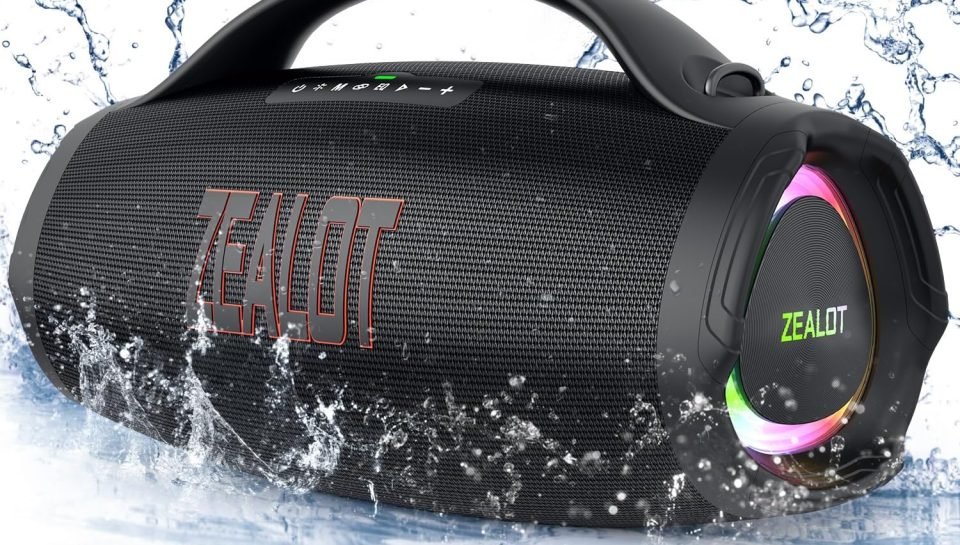
In 2025, Bluetooth speakers are no longer simple gadgets — they’re becoming smart, durable, premium audio devices that blend technology, design, and experience. For electronics retailers, importers, and DIY brands, staying on top of the latest trends and knowing how to source competitively from China is essential for success. Below, we break down what’s happening now in the Bluetooth speaker space, the key market dynamics, and a step-by-step guide to sourcing the right products from Chinese factories.
Global Growth & Market Size
The global Bluetooth speaker market is projected to hit around USD 14.56 billion in 2025, with a CAGR of ~11.4 % through 2032. Coherent Market Insights
The broader wireless speaker or smart/AoIP speaker market is even larger: e.g. one report estimates the wireless speakers market growing from USD 37.14 billion in 2024 to USD 45.07 billion in 2025 The Business Research Company
The portable / on-the-go segment remains the dominant subcategory. TechNavio expects portable speakers to grow ~USD 11.9 B from 2025 to 2029 (at ~10 % CAGR) Technavio
China Market Dynamics
China’s Bluetooth speaker market is forecast to grow at ~16 % CAGR (2020–2025). PR Newswire+1
Meanwhile, the China portable Bluetooth speaker subsegment had revenues of ~USD 1,568 million in 2023, and is expected to reach ~USD 3,538 million by 2030 (CAGR ~12.3 %) Grand View Research
Factors driving growth in China: rising disposable income, proliferation of smartphones, massive e-commerce penetration, and consumers seeking better lifestyle audio experiences. TechSci Research+2Grand View Research+2
Chinese brands and OEM/ODM factories dominate the global supply chain for drivers, enclosures, SOCs (system-on-chips), and manufacturing infrastructure.
Takeaway: The global and China markets remain robust, with room for differentiation in quality, features, and brand positioning. Merely “cheap commodity speakers” are under margin pressure — you’ll need a product differentiator to win.
Major Product Trends in 2025
One of the biggest technology shifts is the adoption of Bluetooth LE Audio and Auracast. These new standards enable more efficient streaming, longer battery life, and the ability to broadcast audio to multiple devices at once. Alongside this, high-quality codecs like aptX Adaptive and LDAC are moving from premium models into the mid-market, raising expectations across the board.
Another defining trend is the arrival of on-device AI features. Some manufacturers are adding “AI DJs” that suggest playlists or adjust sound based on mood and activity. Others are enhancing voice controls to work offline, reducing latency and dependence on the cloud. These features help brands differentiate in an increasingly crowded space.
At the same time, consumers are demanding more from compact speaker designs. Instead of big, heavy boxes, the latest models use racetrack drivers, tuned DSP, and passive radiators to produce surprisingly powerful sound in portable sizes. This “premium compact” category is growing quickly, especially among urban consumers who want quality audio without sacrificing mobility.
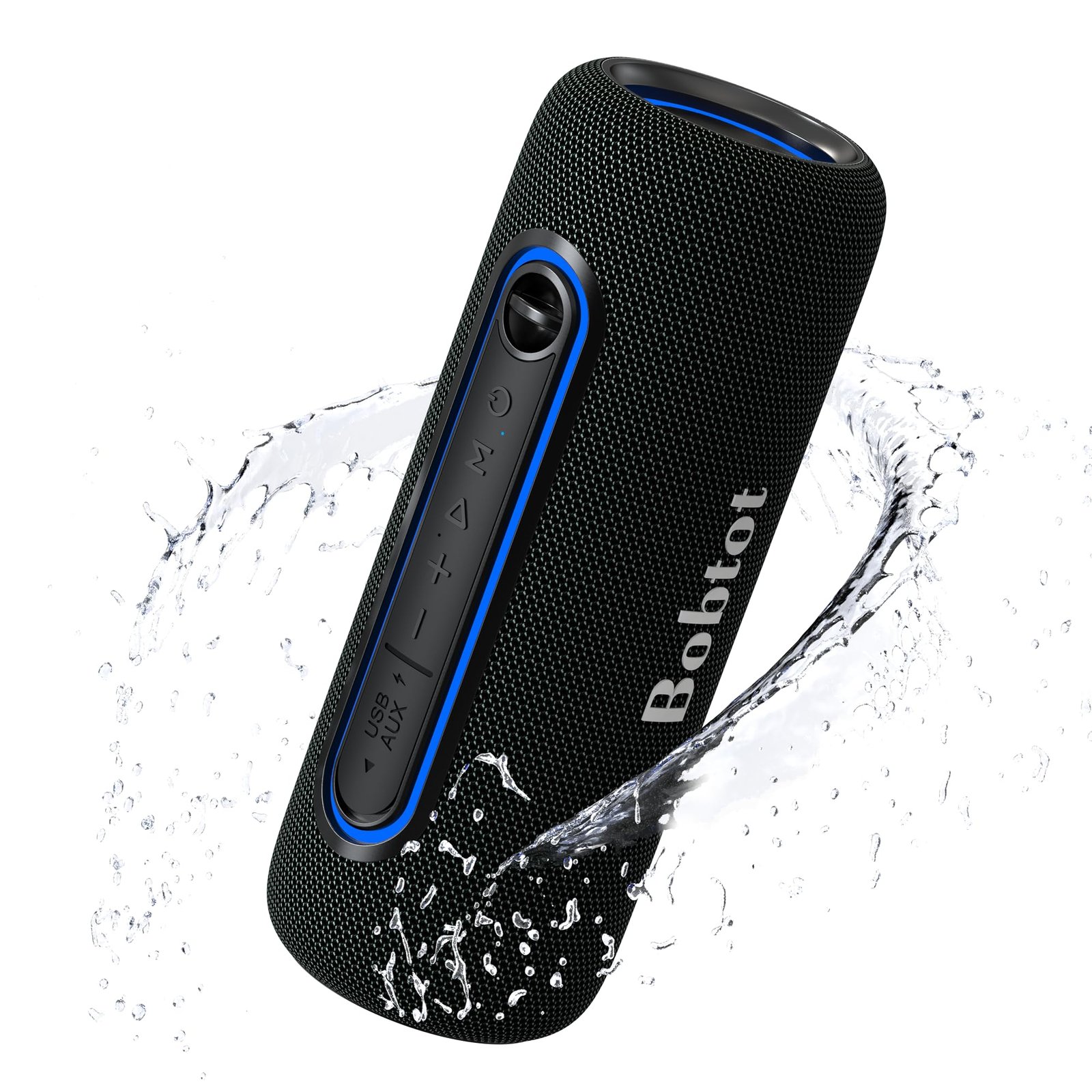
Outdoor and rugged use remains a core segment. Waterproofing, dust resistance, and extended battery life are now expected even in mid-range models. Many speakers promise 20–30 hours of playback, with USB-C fast charging becoming the new standard.
Finally, sustainability is no longer a niche concern. Many factories are using recycled plastics, eco-friendly packaging, and modular construction to support easier repairs. This not only appeals to environmentally conscious buyers but also allows brands to justify higher price points.
How to Source Bluetooth Speakers from China (for Brands & Importers)
This section is your hands-on playbook — use it when you send RFQs, vet factories, or negotiate contracts.
1) Where (Regions, Types of Factories)
Shenzhen / Dongguan: best for electronics, firmware, SOC integration, prototyping.
Guangdong / Zhongshan / Foshan: more speaker driver fabs, enclosure production, volume assembly.
Types of suppliers:
• ODM (your brand + factory design) — faster and lower risk early on
• OEM / Full customization — higher barrier, but better differentiation
• Contract / white-label — low cost, but less control over IP or uniqueness
2) Pre-Quotation Technical Spec Sheet
Your RFQ should include (but not limited to):
Bluetooth module / SoC (brand, version, LE Audio support)
Supported codecs (SBC, AAC, aptX, LDAC, etc.)
DSP / signal processing features
Driver specs (size, type, counts, passive radiators)
Battery & power (type, capacity, voltage, charging spec)
Waterproof / ingress protection rating
Form factor, dimensions, weight
Firmware upgrade method (OTA, wired)
Packaging, languages, accessories
Regulatory/certification responsibilities (who pays/provides)
3) Compliance & Certification Musts
Bluetooth SIG certification — factory or you must ensure the product is registered.
CE / RED / RoHS for Europe; FCC / IC for North America.
Battery / cell safety: UN38.3, MSDS, transportation approval for lithium batteries.
Voice assistant certification (if you integrate Google Assistant, Alexa, etc.) — often requires separate review.
Keep proof of lab test reports, factory audit reports, batch tracking.
4) Quality Assurance & Testing
Include in your contract or QC scope:
Aging / burn-in tests (play audio at full volume over some hours)
IP / waterproof testing (spray / immersion)
Battery life & cycle testing
Acoustic measurement (frequency response curve, THD, SPL)
Drop / vibration tests (if targeting rugged / outdoor)
Bluetooth connectivity / pairing stability tests
Firmware integrity & OTA update test
Cosmetic inspection (AQL), functional checks 100% for critical components
Hiring a third-party QC / inspection company in China helps ensure impartiality.
5) MOQ, Price and Timeline
MOQs: For ODM consumer speakers, expect 500–2,000 units per SKU; for full custom models (new molds, drivers, etc.), 2,000–5,000+ units is common.
Pricing transparency: ask suppliers for BOM / cost breakdown to understand margins.
Lead times:
• Stock / ODM models: 4–8 weeks
• Custom models (molds, firmware, certification): 12–20+ weeksAccount for certification time (often separate 4–8 weeks) in your go-to-market planning.
6) Logistics & Battery Shipping
Lithium battery constraints: air freight is regulated; sea / LCL / FCL preferred for bulk orders.
Must include UN38.3 documentation, MSDS, packing list.
Negotiate good internal protection (foam, suspension) to protect speakers in transit.
Plan for customs, import duties, handling of battery compliance in your destination country.
7) Sample / Pilot Run & Final Inspection
Order paid samples first (often 2–3 units) and test thoroughly.
Approve pre-production sample before mass run.
For mass production, perform final inspection (either your team or third-party QC) on random batches.
Retain sample units from each batch as reference.
8) Payment Terms & Contract Tips
Use staged payments: deposit (e.g. 30 %) → pre-production approval → balance on B/L or inspection pass.
Include warranty terms, defect rate thresholds, remedy clauses.
For custom parts (molds, drivers), clarify ownership of IP / tooling.
Require factory to maintain traceability (batch codes, logs).
Costs, Timelines, and Logistics
Most ODM Bluetooth speakers in China have minimum order quantities (MOQs) between 500 and 2,000 units per model, while fully customized OEM designs often require 2,000–5,000 units. Lead times range from 4–8 weeks for stock designs to 12–20 weeks for custom projects, not including certification. But we can help you to negotiate all of the above include MOQ in china.
Pricing varies widely depending on features. Commodity portable speakers remain inexpensive, but mid-range models with better drivers, waterproofing, and high-quality codecs carry higher bill of materials (BOM) costs. Requesting a BOM breakdown from suppliers is a good way to understand where your money is going.
Logistics is another consideration. Shipping Bluetooth speakers by air can be expensive due to lithium battery restrictions, so sea freight is generally preferred for large orders. Always confirm that suppliers provide proper battery documentation, and ensure packaging is strong enough to protect drivers during transit.
Conclusion
The Bluetooth speaker industry in 2025 is more exciting — and more competitive — than ever. Growth is being driven by better connectivity, smarter features, and eco-friendly designs, while consumers expect ruggedness, long battery life, and premium sound even in compact sizes.
For importers, the opportunity is clear, but so are the challenges. Success requires choosing the right manufacturing partner, preparing detailed specifications, ensuring compliance with international standards, and maintaining strict quality control. With China at the heart of global Bluetooth speaker production, sourcing there gives you access to advanced technology, competitive pricing, and unmatched supply chain expertise.
Whether you are planning to launch a rugged outdoor model, a premium compact hi-fi speaker, or a sustainable lifestyle product, the formula is the same: combine China’s manufacturing power with clear requirements and strong oversight. Do that, and your Bluetooth speaker brand will be well-positioned to ride the wave of growth in 2025 and beyond.