
China Sourcing in 2025: Benefits, Market Share, and the Impact of US–China Tariffs

China’s Market Share and Manufacturing Dominance
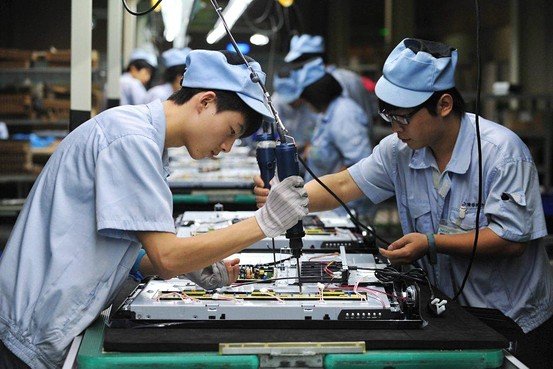
As of 2025, China accounts for roughly 27–30% of global manufacturing output, far ahead of any other country. This dominance is not just about volume but also about sophistication. China’s factories handle both high-volume production and advanced, technology-driven manufacturing. For companies sourcing from China, this translates into a combination of competitive costs, reliable quality, and the ability to scale up quickly when demand rises.
Even with rising wages, China’s supply chain maturity and automation help keep the total landed cost attractive. For businesses that require large-scale production and complex components, the benefits of China sourcing often outweigh the risks, making it a critical part of global supply chain strategies.
china manufacturing – Direct Sourcing China
US–China Tariffs and Tax Impacts in 2025
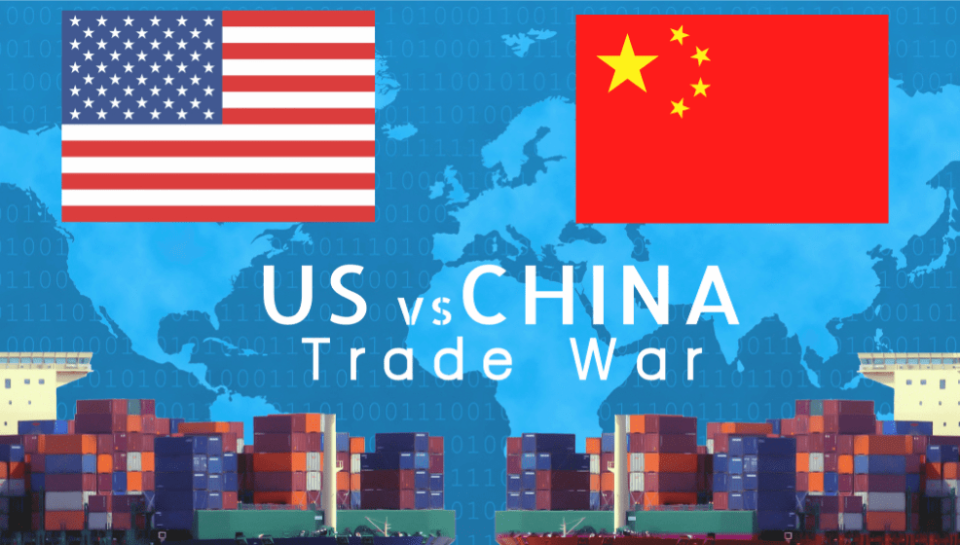
One of the biggest challenges in 2025 is the impact of US–China tariffs on sourcing strategies. Over the past few years, tariff rates have climbed to some of the highest levels in decades. This has raised landed costs for many product categories, especially in sensitive sectors like electronics, semiconductors, and electric vehicles. Companies importing from China to the United States must now calculate tariffs as part of their total sourcing cost, often adjusting pricing strategies or supplier contracts to absorb the additional expense.
The complexity of tariffs has also grown. Instead of broad measures, many of the most recent policies are product-specific, meaning that some categories face much higher costs than others. This creates uncertainty for businesses and forces importers to monitor tariff updates closely. Despite these challenges, China sourcing remains strong because the alternatives often cannot provide the same level of scale, quality, or production maturity.
How Tariffs Are Reshaping Sourcing Strategies
The rise in tariffs has pushed many companies to rethink their sourcing strategies, leading to the adoption of what is often called the “China +1 strategy.” Businesses keep China as their primary production hub for complex and high-volume goods but diversify into countries like Vietnam, India, or Mexico for labor-intensive and tariff-sensitive products. This approach reduces risk while still benefiting from China’s strengths in efficiency and quality.
In the short term, tariffs have increased costs for importers, forcing companies either to raise prices or reduce margins. In the medium term, some manufacturers have shifted final assembly or packaging to tariff-friendly countries to minimize tax exposure. Looking long term, global supply chains are becoming more diversified, but China remains at the center, providing the scale and infrastructure that most competitors cannot match.
The Future of China Sourcing Beyond 2025
Looking ahead, China sourcing is expected to remain vital but with a more nuanced role in global supply chains. High-volume production, capital-intensive industries, and advanced manufacturing will continue to rely heavily on China. At the same time, businesses will build more diversified sourcing portfolios, balancing China with Southeast Asian and nearshore partners.
Product segmentation will become a defining feature of sourcing strategies. Categories with high tariff exposure may shift to other countries, while core manufacturing stays in China. Compliance, customs planning, and supplier audits will also grow more important, as companies invest more in managing geopolitical and regulatory risks.
Ultimately, the future of China sourcing is not about leaving China but about integrating it intelligently into a broader, more resilient supply chain strategy.
Final Takeaway for Businesses
In 2025, China sourcing remains a cornerstone of global manufacturing. The country’s scale, supplier networks, and production expertise make it indispensable, even in an era of higher tariffs and shifting trade policies. The most successful companies will be those that continue to source from China while building flexibility into their supply chains through diversification and risk management.
At DirectSourcingChina, we help businesses navigate these challenges by connecting them with reliable suppliers, optimizing sourcing strategies, and staying ahead of tariff and compliance changes. With the right approach, China sourcing in 2025 is not just an opportunity but a competitive advantage.