
Quality Inspection in China: Cost Factors, Service Types and What to Include

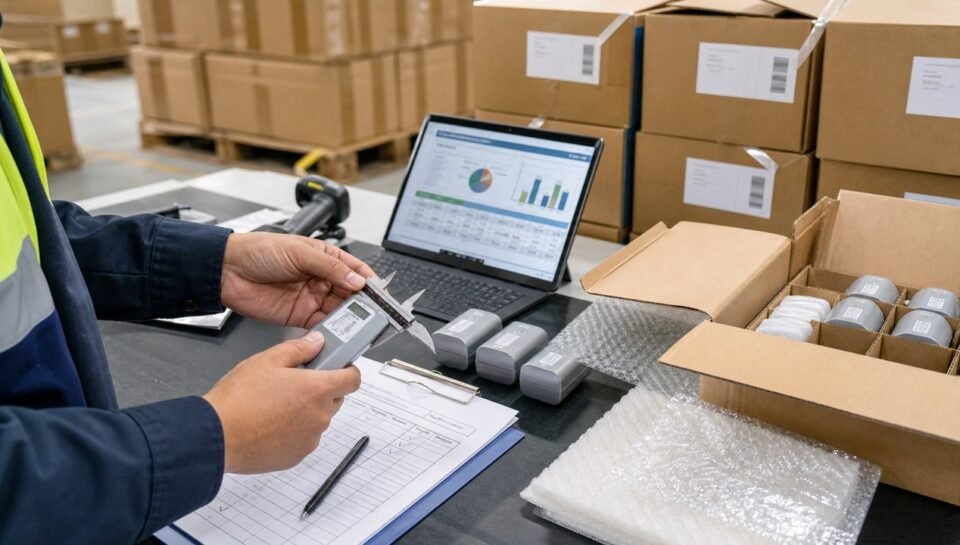
The cost of a quality inspection in China depends on what the inspector must check, where the goods are located and how much work fits into the visit. A quote for one simple product at one factory cannot be compared directly with a quote covering several models, extended functional tests or sorting every unit.
Start with the purchasing decision you need to make. Are you checking materials before production, finding problems while work continues, assessing a finished batch or confirming what goes into a container? Each decision calls for a different service and different evidence.
This guide helps importers compare inspection services and quotations. It explains the main cost factors, the information to provide and what the final report should include. Direct Sourcing China quotes against the product and agreed scope; this article does not present a standard rate for every order.
How inspection cost is calculated
Providers may quote a fixed visit fee, a rate per inspector-day or a project price. An inspector-day describes a unit of work, not a promise that every order can be completed in one day. Ask how the provider estimates staffing and time for your checklist, sample size and factory conditions.
For a day-based quote, use a transparent structure: agreed rate multiplied by the required inspector-days, plus separately confirmed expenses and services. Ask whether travel, accommodation, report preparation, equipment, tax and overtime are included. If a provider uses an all-inclusive price, confirm its geographic and scope limits.
The useful comparison is total cost for the same checks and report. A cheaper visit may use a smaller sample or exclude a functional test you need. A higher quote may include work unrelated to your order. Ask both providers to state the tasks, quantities and exclusions before deciding.
The main factors that change a China inspection quote
Product complexity affects handling time and the competence or equipment required. Checking the print position on a simple pouch differs from pairing a Bluetooth speaker, checking controls and charging, reviewing accessories and performing agreed measurements. Define the actual checks rather than using a broad category such as electronics.
The number of models and variations also matters. Several SKUs may need separate specifications, references, sample groups and packaging checks. A small order with many distinct products can require more preparation and testing than a larger order of one straightforward item.
Location and readiness affect the visit. Share the full factory address, planned date, production status and packing status. Ask about remote locations, multiple sites, waiting time and a second visit when goods are not available. Confirm the cancellation or rescheduling rules before booking.
Special fixtures, destructive tests, sample shipment and external laboratory work may add costs. Ask who supplies calibrated measuring equipment or test fixtures, whether the factory’s equipment is acceptable and how any unavailable test will be recorded. Do not assume a standard visual inspection includes every technical requirement.
Choose the service that matches your decision
An initial production check focuses on agreed inputs and early output, such as materials, components, first units and readiness for the intended process. It is useful when a wrong input would spread through the batch. Set the checkpoint around the production stage you need to control rather than an unexplained percentage.
A during-production inspection examines work while production continues. It can identify a recurring assembly, printing or workmanship problem before the remaining goods are completed. Ask how findings will be communicated and who must approve the corrective action while there is still time to act.
A pre-shipment inspection assesses the finished lot against the agreed requirements before dispatch. Confirm the readiness criteria with the provider and factory. Our pre-shipment inspection guide explains the preparation in more detail.
Loading supervision focuses on the agreed shipment, container condition, quantities, loading arrangements and relevant records. It should not be treated as a replacement for detailed product checks. If goods need product inspection and loading supervision, specify those as separate tasks with workable timing.
| Service | Main decision | Scope to confirm |
|---|---|---|
| Initial production check | Are agreed inputs and early units suitable? | Materials, components, first-off samples and process readiness |
| During-production inspection | Is ongoing production following requirements? | Current output, recurring defects and corrective-action follow-up |
| Pre-shipment inspection | Does the finished lot meet acceptance criteria? | Lot readiness, sampling, product tests, quantities and packaging |
| Loading supervision | Is the agreed shipment loaded as instructed? | Container condition, loading records, quantities and seal details |
| Factory audit | Can the supplier support the proposed work? | Defined capability, process and system assessment |
| Laboratory testing | Does the sample meet specified test requirements? | Methods, sample identity, relevant standards and test report |
Separate product inspection, factory audit and laboratory testing
A product inspection examines identified goods against a checklist and acceptance criteria. A factory audit examines aspects of the supplier’s capability, processes or systems within its agreed scope. An audit can inform supplier selection, but it does not establish that a later production batch meets your specification.
Laboratory testing addresses defined characteristics using the relevant methods and equipment. It may be needed for performance, material or regulatory questions that cannot be answered by the scheduled on-site checks. Agree sample selection, product identity, laboratory scope and responsibility for reviewing results.
Ask the quotation to distinguish these services. A line called quality control can otherwise hide very different work. If you need a factory assessment, an on-site production visit and laboratory coordination, request a breakdown so the cost and deliverables of each remain visible.
Understand sampling and test coverage
Agree the lot definition, sample selection, inspection level or other sampling basis, defect categories and acceptance rules before the visit. Also distinguish the workmanship sample from the quantities used for functional, measurement or destructive tests. One sample count may not apply to every check.
SGS describes its final random inspection service as using ANSI/ASQ Z1.4 (ISO 2859-1) criteria and defined AQLs. For your order, ask the provider to state the selected plan and how defects are classified rather than accepting a report that only says AQL inspection.
A passing sampled inspection does not prove that every unit is defect-free. It records a lot decision under the agreed plan and observed results. If the risk requires individual checks or a different control method, discuss that need before booking instead of assuming a larger order is fully checked in a standard visit.
Do not cut important checks merely to fit a visit price. If the proposed work exceeds the available time, ask for a revised scope, more inspector-days or a clearly prioritized plan. The report should identify incomplete checks and limitations so a partial visit is not mistaken for a complete one.
What to include in an inspection request
Send the purchase order, product specification, quantity by SKU, factory details and required inspection date. Include the approved sample or reference photographs, artwork, packaging files and the current revision. Tell the inspector which details are essential to your customer’s use or resale requirements.
Define functional tests with the method, conditions, duration and acceptance limits where needed. For an audio product, a short power-on check is different from a specified runtime or performance test. Identify equipment and fixtures, the units available for testing and who authorizes any destructive work.
Add defect examples where possible. Photographs with measurements and a clear rule are more useful than phrases such as good quality or premium finish. Agree critical, major and minor classifications with the provider and supplier; the categories should reflect the product and actual consequences of a defect.
For packaging, identify contents, assortment, labels, barcodes, inner packs, carton markings and protection requirements. If different retailers or destinations need different labels, map them to the relevant SKUs. Confirm who approves the checklist before the visit and how later changes affect the quotation.
What the quotation and report should include
Before booking, confirm the site, date, staffing, duration, inspected lot and services. Request an itemized cost or a clear statement of what the fixed price includes. Add report language, delivery timing, escalation contacts and the procedure for a failed or incomplete inspection.
The report should identify the products and factory visited, quantities presented, production and packing status, sample selection and tests performed. Ask for measurements and results where relevant, defect descriptions, photographs, affected quantities within the checked sample and the overall decision under the agreed criteria.
A test that was not performed should be recorded as such, with the reason and effect on the decision. Missing equipment, inaccessible goods or an unavailable reference should not disappear behind a pass label. Clarify who receives urgent findings and who has authority to approve shipment.
Check the charges that are easy to overlook
Ask what happens when the factory says goods are ready but the inspector finds incomplete production or inaccessible cartons. Confirm waiting-time charges, aborted-visit fees and rebooking conditions. Have the supplier acknowledge the readiness requirements before the inspector travels.
Reinspection after sorting or rework is additional work unless the contract says otherwise. Agree who will pay, what evidence the factory must provide and whether the same checks or an expanded scope will be used. A corrected photograph alone may not establish that the affected lot has been corrected.
For consolidated orders, distinguish warehouse receiving from product inspection. Receiving may count cartons and note transport damage without opening packages or testing products. Ask about unit counting, repacking, sample shipment and storage as separate services when needed.
For a quotation example of scope-based booking, QIMA’s official booking information describes providing specifications and obtaining a quote before confirmation. Whatever provider you use, retain the final agreed checklist and commercial terms with the booking.
How to control cost without weakening the inspection
Prepare a complete brief early so the provider does not have to price uncertainty into the visit. Resolve sample and artwork revisions before inspection, arrange factory access and make sure the required tools and responsible staff will be present. These steps reduce avoidable waiting and repeat work.
Group work only where the provider confirms it can be done properly. Products at one address may still require different expertise or test setups, and travelling between nearby sites still takes time. Request a realistic plan instead of assuming multiple suppliers can share one day.
Use earlier checks where they can prevent a costly finished-batch problem. For a repeat issue with a print process or component, correcting it during production may be more useful than discovering it in the packed shipment. The decision should follow the product risk and supplier record, with the added service priced clearly.
Keep an approved specification and defect history for repeat orders. This helps the inspector focus on known issues without assuming that familiar suppliers no longer need checks. Reassess the plan when materials, components, production sites or packaging change.
What happens after a failed inspection?
Ask the supplier for a corrective-action proposal tied to the findings: affected lot, sorting method, rework, replacement, timing and evidence. Keep rejected, corrected and unchecked goods distinguishable. Agree how the correction will be verified before approving release.
Inspection provides evidence for the purchasing decision; it does not by itself settle payment, refunds or contractual rights. Review the order terms and use the report in supplier discussions. Document any decision to accept a deviation, including the exact quantity and condition accepted.
Keep time for correction and reinspection between the planned visit and shipment. A factory deadline is not a reason to hide an unresolved finding. If goods must be split into accepted and held lots, clarify product identification, paperwork, handling and the effect on transport costs.
Request a quality inspection quote from Direct Sourcing China
Direct Sourcing China can review inspection requirements and discuss product checks, supplier communication and local follow-up. Our work can be scoped to commodity products, audio and electronics, custom metal parts or other relevant orders. The product and inspection objective determine the proposed method and resources.
For a quote, send the product specification, quantity by SKU, factory address, production status, required date and checklist. Include sample references, test requirements and packaging details. We can clarify what is included, what needs another service and which questions remain before the visit.
Browse our sourcing and quality services if you also need supplier coordination, product development or logistics support. Keep those tasks visible in the project scope so inspection cost is compared with the work you actually need.
Frequently asked questions
The quote depends on service type, factory location, product complexity, SKU count, sample and test scope, staffing and time. Request a product-specific breakdown and confirm travel, reporting, equipment and any separate services.
It is a unit of work used in some quotations. Ask what the provider includes, how it estimates the required days and whether travel, reporting, overtime and equipment are included in that rate.
A sampled inspection checks selected units under an agreed plan, not every unit. Define the lot, sample selection, defect categories and tests. Ask separately about individual checks if your product requires them.
Only if explicitly agreed. Define the on-site tests and distinguish any external laboratory work, sample shipping, equipment and specialist review in the quotation.
Agree how the correction will be verified against the original findings and acceptance criteria. A revisit may be appropriate, with scope, timing and charges confirmed before release. Supplier photographs alone may not establish that the whole affected lot was corrected.