
How to Source Christmas Promotional Products from China: Custom Gifts, MOQ and Quality Control

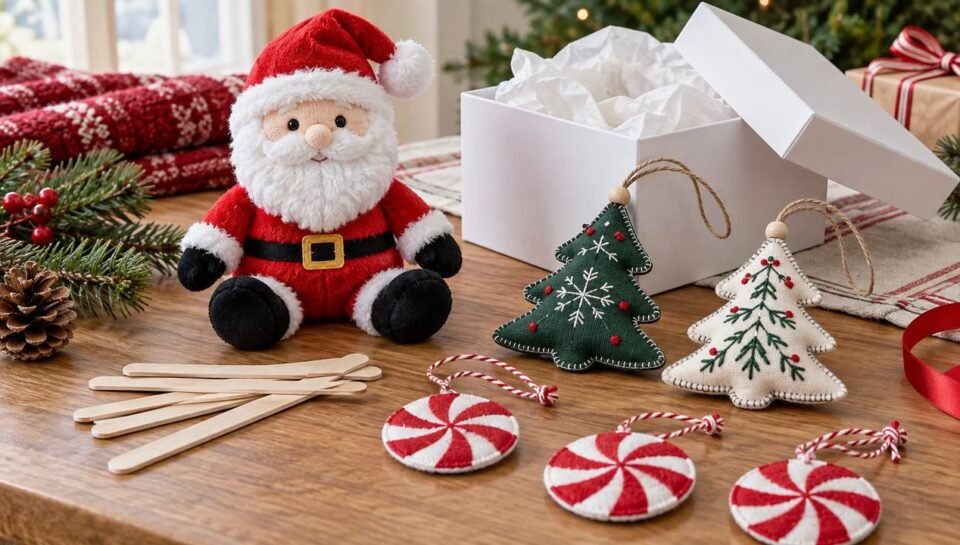
Christmas promotional products have to arrive before people use them, not merely before December 25. A retailer may install a display in November; a hotel may need branded drink accessories for its first seasonal event. For an importer buying from China, the purchasing brief should start with that distribution date and the work still needed after delivery.
Direct Sourcing China supports China-side sourcing, supplier communication, samples, quality checks and shipment coordination. We work closely with our promotional-products partner RC Promotions, combining local purchasing execution with promotional product selection and branding support. Buyers can discuss direct procurement, custom giveaways or a coordinated multi-item gift project.
This guide builds on the product directions in RC Promotions’ Christmas promotional products guide, with a different focus: how to turn a seasonal reference into a supplier brief, an approved sample and an inspectable order. Images reused with the owner’s permission are design references; specifications, availability and order minimums need confirmation.
Start with the recipient, campaign and delivery point
Define who will receive the gift, where it will be used and how it will be distributed. An employee family event, a cafe counter and a client gift parcel create different requirements. Identify whether children are an intended audience before selecting the construction and testing plan.
Set a target cost at a named delivery point and distinguish it from the product-only budget. A bulky plush gift and a compact ornament can have very different freight and distribution costs. If each item needs an individual mailing box, include that box and the packing work in the first enquiry.
For a 2026 campaign being sourced in October, ask suppliers to assess feasibility before investing in a new design. Existing shapes with an approved logo or gift tag may require fewer development steps than a new pattern or custom construction. Confirm the actual schedule; a simpler design does not guarantee a delivery date.
Christmas plush toys: specify construction before approving a character
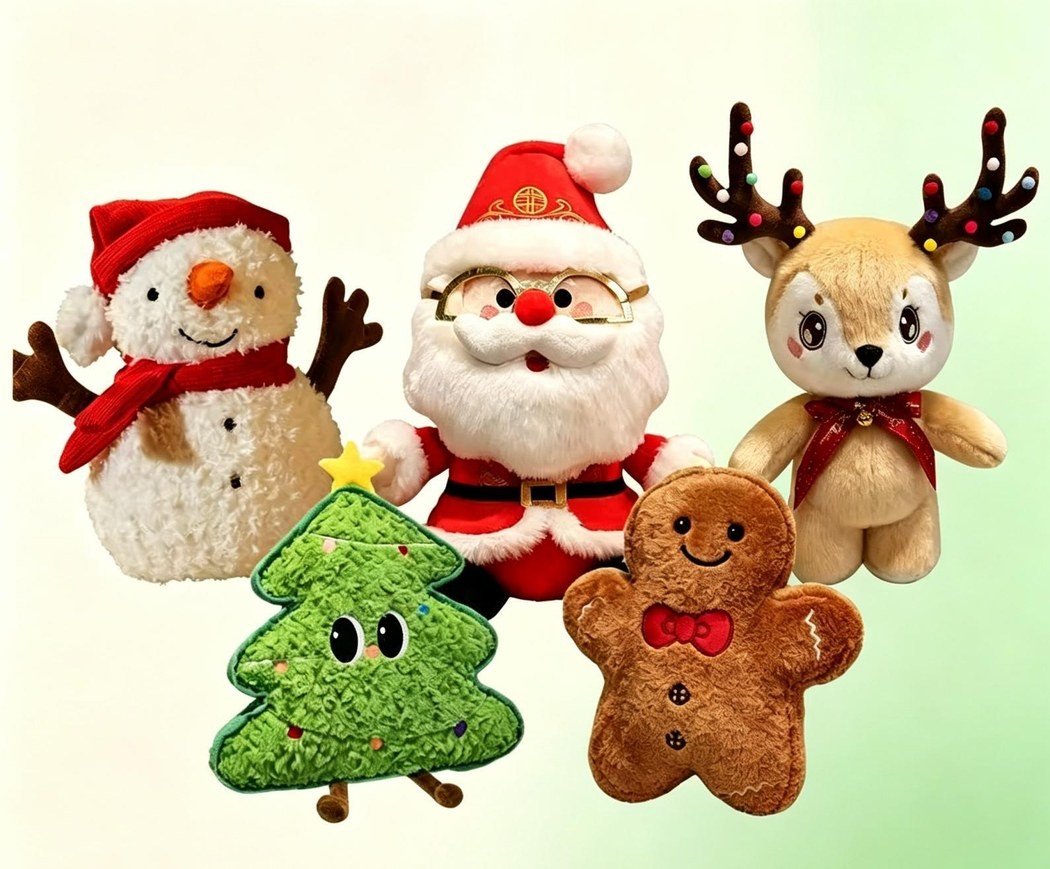
Santa, reindeer, snowmen and gingerbread shapes can be useful starting references for a gift programme. Define finished dimensions, fabric, filling, embroidery, seams, attached features and labels. A flat drawing cannot establish how the character looks or feels after stuffing.
Ask the factory which branding method fits the fabric and the available space. A scarf, sewn label or separate card may carry the logo more clearly than embroidery across a small detailed face. Approve fine lettering and color contrast on the decorated sample rather than relying on the artwork file.
Check how eyes, ribbons and hanging loops are attached, and discuss the intended age group with the appropriate specialist. Also review packing compression and shape recovery on a sample. A smaller carton quote is useful only if the product arrives in an acceptable condition.
Christmas coffee stirrers: assess the finished food-contact item
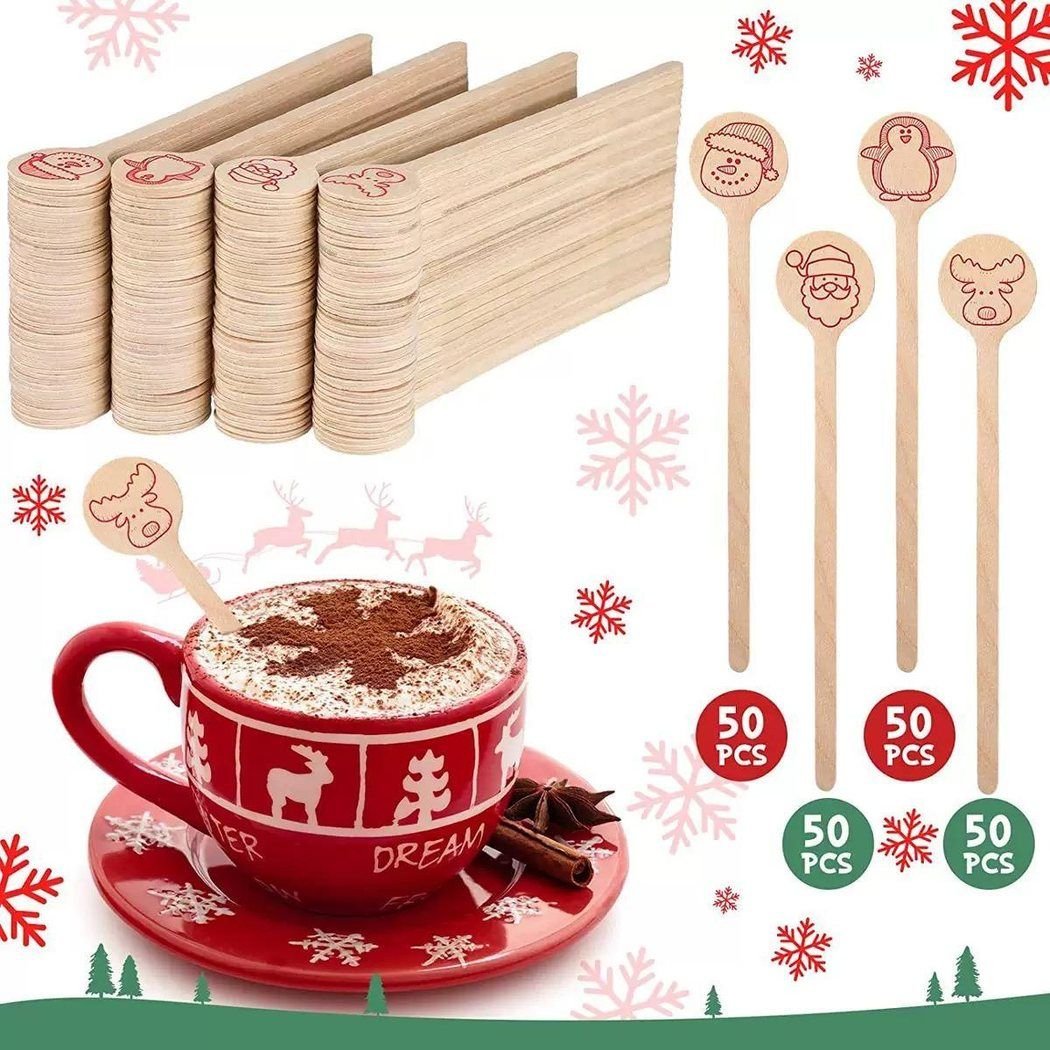
For cafes, hotels and seasonal hospitality promotions, a themed wooden stirrer can combine use and branding. Specify the length, thickness, edge finish and decorative head around the cups and drinks actually served. Identify which parts may contact the beverage and whether inks or coatings are present.
Request supporting documentation for the finished construction and intended use, including the decoration. Do not treat a generic statement about raw wood as evidence covering every printed version. Inspect representative samples for rough edges, splinters, odor and performance under the agreed drink conditions.
Agree individual wrapping or bulk packing, pieces per inner pack and how items will be kept clean during handling. Numbers shown in a reference photograph are not a confirmed MOQ. Request the quantity and pack format you need, and have the supplier state the actual minimum and lead time.
Fabric window hangings: check both sides and the installation

Tree-shaped fabric decorations can suit reception areas, shop windows or a take-home seasonal pack. Decide the viewing distance, dimensions, hanging method and whether the reverse must look finished. A window display may be seen from outside, where a hidden backing seam or reversed graphic becomes noticeable.
Confirm fabric weight, lining or filling, edge construction and the strength of the cord attachment. Approve branding on the assembled sample because folds and seams can interrupt print or embroidery. Do not assume a pocket, pouch function or accessory is included from its appearance in a photograph.
Discuss indoor use and the permitted mounting arrangement. Keep fabric decorations away from flames and heat, and assess accessible cords where children may be present. Any outdoor-use claim needs a specification and evidence appropriate to that claim, rather than a general supplier assurance.
Candy-style ornaments: define the material and assortment

Candy canes and peppermint-style shapes can form a small gift set or seasonal display. Treat the image as a motif reference, not a material specification. Ask about the substrate, thickness, front and reverse finish, hanging holes and cord. Define whether the pieces are flat, padded or otherwise constructed.
Keep the decorative face clear by comparing branding on the reverse, a tag or a backing card. If the campaign includes the year 2026, approve each dated artwork version. An undated ornament with a removable campaign card can be considered when buyers want remaining stock to retain a use beyond one season.
Specify the count and design mix in every set, with separators or sleeves where needed to prevent scuffing. These items are decorations, not edible products. Consider how the candy-like appearance will be understood by the intended audience, particularly if young children may encounter them.
Build one RFQ for product, branding and packaging
Give suppliers a consistent request for quotation: product direction, reference images, dimensions, material, quantity per design, logo file, branding method, packaging and destination. State which requirements are essential and where alternatives are acceptable. Confirm whether props or accessories in the image are excluded.
Separate unit price from sample charges, setup or tooling, logo work, packaging and domestic transport. Ask whether MOQ applies per color, design or complete assortment. New plush patterns and custom packaging may have different minimums even when the base product is available in smaller quantities.
If samples or setup fees may be credited against production, record the conditions rather than assuming the credit. Identify ownership and retention arrangements for tooling and artwork. For a small trial, compare a stock shape with simpler branding against a fully custom version using the same delivery assumptions.
Our low-MOQ supplier guide explains how to compare the quantity conditions. No single minimum applies to every Christmas product or branding process.
Work backward from the campaign launch
Ask each supplier to separate artwork approval, sampling, material preparation, production and packing. Add time for inspection, corrective action, warehouse receiving, international transport, customs clearance and local distribution. A factory ready date and an arrival date are different milestones.
Build the plan around confirmed availability in October rather than copying an earlier September buying calendar. Ask whether the factory, print supplier and packaging subcontractor have the same working schedule and capacity. A prompt response from a sales contact does not establish that materials or a production slot are reserved.
Set a final approval date and require a revised schedule when artwork, construction or packaging changes. Keep a simpler fallback product available if the full custom option cannot meet the target. Where a split shipment is considered, compare its additional handling and freight costs before approving it.
Approve samples and inspect against recorded requirements
Use a decorated physical sample to approve dimensions, construction, colors, logo position and packaging. A digital proof checks artwork but cannot establish the softness of plush, the finish of a stirrer or the strength of a hanging loop. Keep a dated approval record and a physical reference when practical.
Define inspection scope and sampling before production finishes. Include workmanship, function where relevant, branding, quantities, assortments, labels and packing. Ask the inspector to record the inspected lot and findings with photographs. Warehouse arrival photos alone do not establish that the product checks have been performed.
If the order fails inspection, document the affected items, proposed sorting or rework, costs and reinspection requirements. Resolve the release decision before export where practical. For a seasonal campaign, corrective-action timing matters, but it should not replace the agreed acceptance requirements.
Use our pre-shipment inspection guide to brief the inspection team. Match the checklist to the actual product rather than using a generic gift-inspection list for every category.
Confirm product-specific requirements before production
For U.S. children’s toy projects, CPSC toy-safety guidance explains that toys intended for children 12 and under require applicable third-party testing and a Children’s Product Certificate. Have the actual product, intended audience and applicable requirements assessed before production. Calling an item a promotional giveaway does not establish a different intended use.
For stirrers, specify the beverage and conditions of use when requesting documentation. The FDA food-contact conditions-of-use guidance distinguishes food types and use conditions. A general “food safe” statement should be clarified against the finished material, decoration and intended use.
For other destinations, arrange a review of the actual product and market rather than treating U.S. documents as universal evidence. Direct Sourcing China can coordinate supplier records and appropriate laboratory enquiries. Confirm the scope and remaining responsibilities with the buyer and relevant specialists.
Consolidate gift sets without losing traceability
A multi-item set needs a component list, quantities, an approved layout and a packed sample. Identify which supplier provides each component, which site performs assembly and who approves the finished pack. Keep food-contact items protected from decorative materials and preserve product identification where required.
Ask for final carton measurements and gross weights after the pack is agreed. Compare the cost of protective inserts with damage risks and assembly effort. Record SKU and set counts so a missing decoration does not become an unexplained shortage of finished gifts.
Set receiving references and a warehouse cutoff when suppliers deliver separately. Agree what happens if one component is late or fails a check. Our China order-consolidation guide covers receiving, inspection and shipment handoffs.
Source directly or coordinate a custom programme with RC Promotions
Direct Sourcing China and RC Promotions work closely on promotional-product projects. Direct Sourcing China supports supplier sourcing, specifications, local follow-up, inspection and shipment coordination. RC Promotions provides promotional product directions and customization references for the campaign. The exact services, pricing and responsible parties should be stated in the project scope.
Browse the RC Promotions Christmas gift reference guide for the original product directions. You can also ask Direct Sourcing China to review the procurement of a selected item or a gift set rather than starting a full design project.
To discuss a project, send the preferred products, quantity per design, logo, intended audience, destination and required arrival date. Include the packaging format and requirements already identified. Our Sourcing & Purchasing service can then help define supplier enquiries and the local work needed.
Frequently asked questions
We can review the product brief and discuss supplier search, samples, branding follow-up, inspection and shipment coordination. Available designs, quantities and delivery dates depend on supplier confirmation.
RC Promotions is our closely connected promotional-products partner. Its product references and customization support can be combined with Direct Sourcing China's China-side procurement and quality coordination, with responsibilities agreed for each project.
MOQ depends on the product, design, color, branding and packaging. Request separate minimums for the base item, logo and gift box, and confirm whether an assortment can combine quantities.
It depends on the campaign date, available stock, customization, sampling and transport route. Request a complete supplier and freight schedule before committing; consider simpler existing designs if a new custom version cannot meet the deadline.
A multi-item set can be assessed using a component list and packed sample. Confirm product suitability, protection, hygiene for food-contact items, assembly responsibility, counts and carton measurements before approval.