

Failed Quality Inspection in China: Rework, Refund or Reject the Shipment?

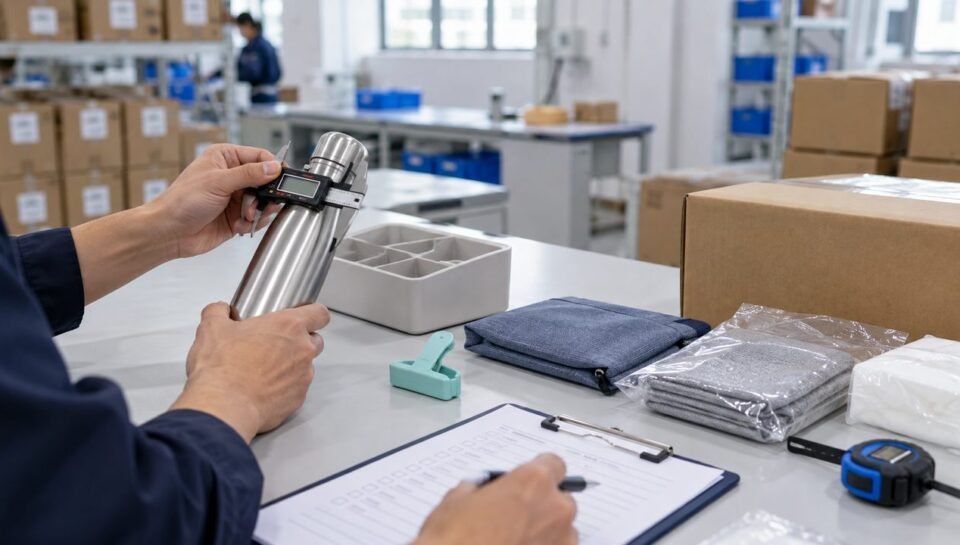
A failed quality inspection in China creates a decision before it creates a solution. The supplier may offer to repair the goods, replace a few units, reduce the price or ship immediately and deal with complaints later. Before accepting any proposal, establish what failed, which goods may be affected and how the proposed correction will be verified.
The practical options include sorting, rework, replacement, an agreed commercial settlement or holding and rejecting the shipment. None is automatically appropriate for every defect. A packaging error and a safety-related functional failure call for different evidence and different release decisions.
This guide explains the China-side steps an importer can take after an inspection fails. An inspection report provides evidence against the agreed requirements; it does not itself create an automatic refund, authorize withholding payment or settle contractual rights.
First, confirm what the failed result means
Read the findings and inspection scope rather than relying only on the pass/fail heading. Identify the lot, SKU, quantities presented, sample size, observed defects, test results and acceptance rules. Check whether the failure concerns workmanship, function, measurement, quantity, packaging or an incomplete inspection.
Ask the inspection provider to clarify discrepancies between the report and your approved specification. An unavailable test fixture or missing reference sample may leave a check incomplete; that is different from a completed test with an unacceptable result. Both require a decision, but the follow-up work may differ.
A sampled inspection does not establish the exact defective quantity in the entire shipment. SGS describes its final random inspection service as using defined AQLs and sampling criteria. Use the selected plan and findings to assess the lot, and investigate further where you need to establish the extent of a problem.
Control shipment release and preserve evidence
Notify the supplier promptly in writing, attach the report and identify the affected order. If you control release, keep the affected goods on hold while the findings are reviewed. Communicate with the relevant warehouse or forwarder within your authority so an earlier booking instruction does not accidentally move disputed goods.
Ask the supplier to identify and segregate affected, accepted, reworked and unchecked stock. Record carton labels, SKU and batch references, quantities and the storage location. If the goods are already packed, agree how cartons will be opened, tracked and repacked without losing that identification.
Retain the purchase order, specifications, approved sample records, artwork versions, report, photographs and supplier communications. Preserve representative failed samples where practical and agree how they will be labeled and stored. Evidence is easier to assess before defective units have been repaired, mixed with other stock or discarded.
Ask for containment and a corrective-action plan
Request two answers: how the supplier will contain the current batch, and how it will address the cause. A promise to remind workers is difficult to verify. Ask which process or input caused the defect, what evidence supports that explanation and which other units may share the same problem.
The plan should state the affected lot, correction method, responsible person, completion date and verification checks. Identify what will happen to removed components, failed packaging and rejected units so they do not re-enter accepted stock. If another factory or subcontractor performs the work, record that arrangement.
Check the proposed correction against the original requirements. Replacing a specified component with a cheaper alternative is a specification change, even if it removes one visible symptom. Require written approval before changes to materials, components, construction, firmware, appearance or packaging.
| Option | When to assess it | Evidence needed before release or settlement |
|---|---|---|
| Sort | Conforming goods can be reliably separated | Defined check, lot traceability, counts and verification |
| Rework | A controlled repair can restore requirements | Approved correction, process records and reinspection |
| Replace | Correction cannot reliably restore the product | Replacement specification, timing and inspection |
| Negotiate a settlement | A defined deviation is acceptable and permitted | Exact affected scope and written commercial terms |
| Hold or reject | Findings remain unresolved or correction is unsuitable | Preserved evidence, contractual review and agreed disposition |
When sorting is a workable option
Sorting can help when conforming and nonconforming goods can be separated by a defined, reliable check. A missing accessory or clearly incorrect label may be suitable, provided the checking method covers the actual defect. Ask how every relevant unit will be identified and recorded.
Agree the sort criteria, operator instructions, equipment, recording method and disposition of rejected units. Confirm whether the operation covers the entire affected lot or only selected stock. Keep the counts for units presented, accepted, rejected and reworked consistent with the order and packing list.
Sorting is less useful when the problem is hidden, intermittent or not detectable by the proposed method. A visual check cannot establish that an internal component is correct or that an intermittent functional defect has been removed. Request a method that addresses the actual failure rather than an easy but unrelated inspection.
When rework or replacement makes sense
Rework can be considered when the supplier has a controlled method to restore the goods to the agreed requirements. Ask for a corrected sample before authorizing work across the lot, especially where disassembly, refinishing or component replacement could create additional defects.
Define the checks after correction. Opening an enclosure to repair a switch may affect fit, appearance or another function; repacking a gift set may damage the box or omit a component. Verify the original failed characteristics and the features the rework could affect.
Replacement may be preferable when repair cannot restore the approved condition or cannot be completed reliably. Confirm the source and specification of replacement goods, production timing, inspection and disposal or return of the original units. A replacement proposal is incomplete if it leaves two untraceable batches in the same shipment area.
When to discuss a discount, credit or refund
A commercial settlement may be considered for an acceptable, clearly bounded deviation that does not undermine product suitability or applicable requirements. Identify the exact SKU, batch, quantity and deviation being accepted. Document the amount, currency and whether the agreement is a refund, price reduction or future-order credit.
Compare the proposed amount with the practical consequences: sorting, repacking, repair, disposal, delayed delivery or other substantiated costs. Keep estimates separate from confirmed expenses. A future-order credit also depends on placing another order, so it should not be treated as cash already recovered.
For an eligible Alibaba.com transaction, consult the official refund policy and the terms and deadlines for the actual order. Preserve the agreed specifications and communications in the relevant system. Do not assume that a failed inspection alone guarantees a full refund or that an off-platform payment follows the same process.
For direct orders, review the purchase agreement and applicable dispute process before changing payment or cancellation instructions. Get qualified advice where the dispute requires it. Local sourcing support can collect evidence and coordinate communication, but it cannot promise a particular legal or platform outcome.
When to hold or reject the shipment
Holding shipment is a temporary control while findings and corrections are assessed. Rejecting goods or cancelling an order is a separate commercial decision with its own contractual consequences. Make the distinction clear in supplier messages so a request to stop loading is not confused with an agreed cancellation settlement.
A substantial specification mismatch, unresolved safety-related finding or an unverified correction may justify keeping goods unreleased while the appropriate assessment is completed. Do not treat a discount as proof that a product is suitable or compliant. Establish what evidence is needed before considering release.
If the supplier cannot offer a credible correction, document the outstanding issues and options for replacement, return, refund discussions or another agreed disposition. Confirm ownership, custody, storage charges and what is permitted to happen to branded rejected goods. Do not authorize resale, destruction or disposal without the appropriate agreement and authority.
Plan reinspection before the supplier starts rework
Agree when corrected goods will be ready and what the inspector will verify. Provide the original report, corrective-action plan, affected batch references and updated packing information. Confirm how the reworked lot is identified and whether additional checks are needed because of the correction method.
Reinspection should not consist only of looking at a few hand-selected repaired examples. Ask the provider to define an appropriate selection and inspection plan for the identified lot. Include the original defect, related risks, quantity reconciliation and packaging as relevant.
If the factory has completed individual sorting, obtain the records and verify the outcome through an agreed method. Those records and the independent findings serve different purposes. Keep any remaining limitations visible rather than changing the original failure label without supporting evidence.
Our quality inspection cost guide explains the factors to confirm when quoting a revisit. Rework labor, sample shipment, replacement materials and reinspection may be separate costs; agree responsibility rather than assuming they are included.
Compare the total impact, including the revised delivery plan
Ask for a revised timeline covering sorting or repair, repacking, reinspection, release and transport. Identify the last practical decision point for the intended shipment. A supplier’s repair completion date is not the date goods will arrive at your warehouse.
For a partial shipment, define the accepted SKUs or lots and document why they can be separated from the disputed goods. Revise carton labels, quantities, packing lists and booking details accordingly. Consider additional freight and handling before assuming that splitting the order is the least costly option.
For seasonal or promotional goods, assess whether the corrected product can still meet the campaign need. A delivery delay may change the commercial value of the order even if repair is technically possible. Discuss that impact with the supplier using the agreed dates and documented facts rather than relying on an unsupported loss estimate.
A practical supplier message after inspection failure
Use a short message that names the order and asks for an actionable response. For example: Order [reference] did not meet the agreed inspection criteria in report [reference]. Please identify the affected lot and confirm its current location and shipment status. Provide your containment plan, proposed correction, completion date and verification method for the listed findings.
Add the specific release instruction you are authorized to give, the deadline for the supplier’s proposal and the person who will review it. State which changes require written approval. Avoid agreeing to a new material, reduced specification or settlement amount in a casual exchange without reviewing the full consequences.
Keep a decision log as the plan changes. Record what was proposed, what was accepted, what evidence is still outstanding and who can release the goods. Clear records reduce the chance that the factory, warehouse and forwarder act on different versions of the instruction.
Reduce the chance of repeating the same failure
After resolving the current batch, update the specification, inspection checklist and supplier change-control instructions where needed. If the defect arose from an ambiguous requirement, replace it with a measurable or clearly illustrated one. Keep the approved reference available for future production.
If the cause is a process or input problem, discuss an earlier production checkpoint rather than relying entirely on a final inspection. Confirm the corrective action is used on the next order and assess whether the supplier remains suitable for the product. A repaired shipment does not by itself establish that the underlying process has improved.
For preparation before the next visit, read our pre-shipment inspection guide. Use the failure history to make the next inspection more specific, while retaining checks for other important requirements.
How Direct Sourcing China can support the follow-up
Direct Sourcing China can review the inspection findings, clarify requirements with the supplier, coordinate corrective-action follow-up and discuss reinspection or shipment coordination. The scope depends on the product, location, current order arrangements and access to the goods.
To request help, send the inspection report, purchase specification, approved sample records, quantities, factory address and shipment status. Include the supplier’s proposal and your deadline. Our sourcing and quality services can help organize the China-side evidence and work needed for your decision; a refund or settlement remains subject to the relevant agreement and process.
Frequently asked questions
Review the exact findings and lot details, preserve the report and reference records, and communicate the hold or release instructions you are authorized to give. Ask the supplier to identify affected stock and propose containment and corrective action.
No. A report provides evidence about the goods. Refunds, cancellation and payment decisions depend on the order terms, applicable process and facts. Check any platform eligibility and deadlines and retain the supporting records.
Photographs can support a correction report, but may not establish the condition of the whole affected lot. Agree a verification plan, including the original failed checks and any features affected by the repair, before release.
It depends on the defect, its likely extent and whether a reliable checking method exists. Define the affected lot, sorting criteria and records, then agree how the result will be verified. Visual sorting cannot resolve every hidden or intermittent defect.
Review the purchase agreement and negotiate any remaining responsibilities explicitly. Record the agreed costs, correction scope, verification and timing before work begins rather than assuming the original inspection fee covers a revisit.